FAQs
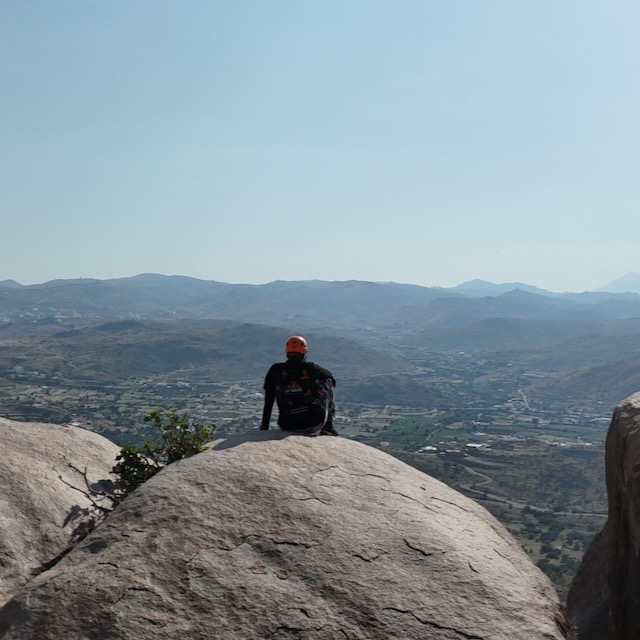
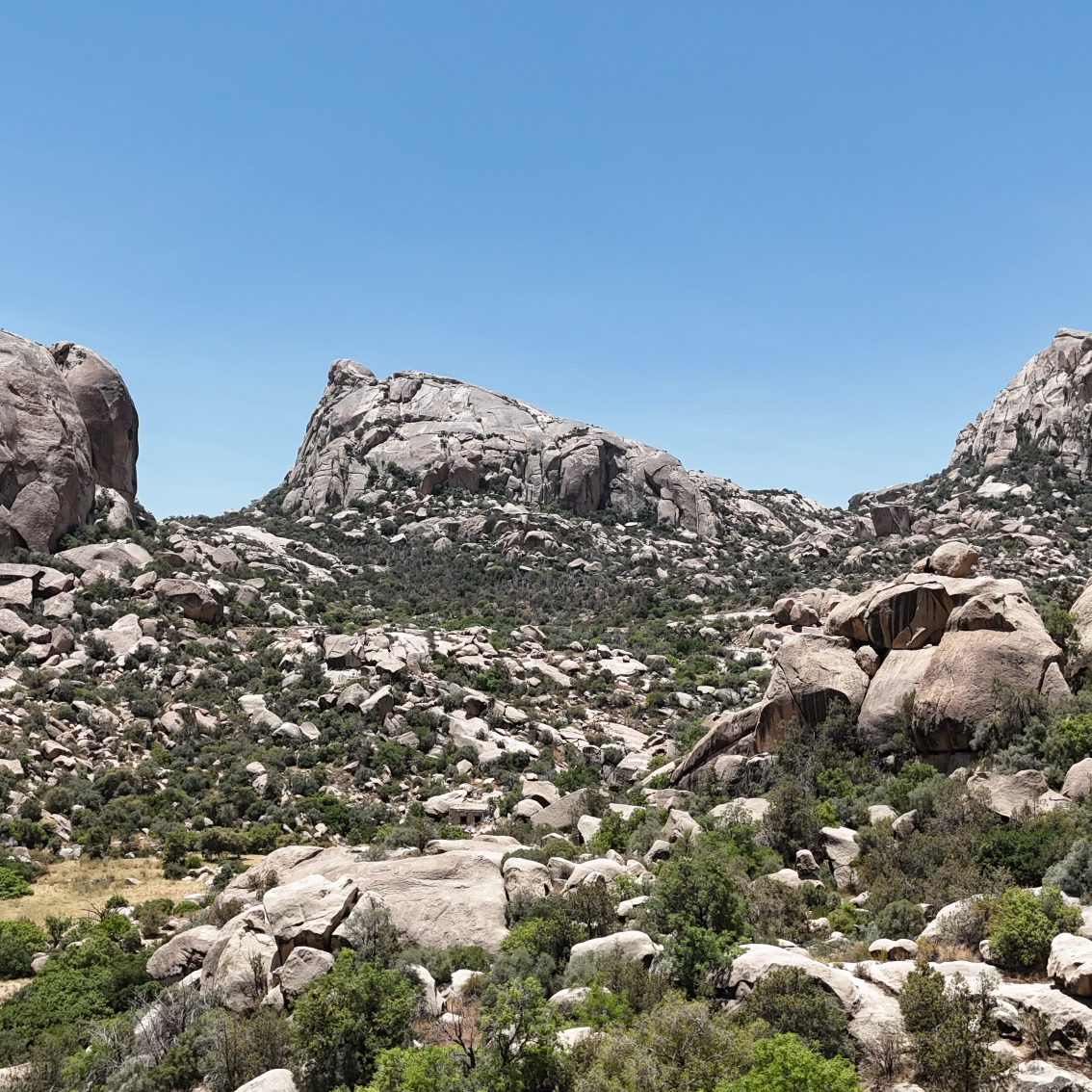
The camp is held in Haddad Bani Malik, south of Taif, near Jabal Ibrahim. The area is known for its mountainous terrain, valleys, natural landscapes, and historic mountain villages.
The camp is approximately 300–330 km from Jeddah, with an estimated driving time of 4–5 hours. Travel time varies depending on your starting point, selected route, traffic, and rest stops. The exact location and meeting point will be shared with registered adventurers before departure.
Distance estimate references: Jeddah to Taif and Taif to Haddad.
The camp is approximately 120–145 km from Taif, with an estimated driving time of 1.5–2.5 hours, depending on the route, traffic, and weather conditions.
Yes. Registered adventurers will receive the exact location pin, meeting point, and access instructions through the official communication channels before the camp. Please do not rely only on the general area name, as the campsite or meeting point may change depending on road and weather conditions.
Under normal conditions, standard cars can reach the designated meeting point or parking area near the camp, and a 4×4 vehicle is generally not required. However, access arrangements may change after heavy rain or if road conditions become unsuitable.
A suitable parking area will be identified near the camp. Adventurers must follow the team’s parking and vehicle-access instructions to avoid blocking roads or activity areas.
Yes. The route includes mountain roads with bends, ascents, and descents. Drive carefully, check your vehicle before departure, refuel in advance, and avoid arriving late at night without coordinating with the team.
Basic toilet facilities are available at the campsite. As this is a wilderness camp, adventurers should expect simple outdoor facilities rather than hotel or resort standards.
Full hotel-style shower facilities should not be expected. Adventurers should bring personal hygiene supplies, wet wipes, and any other items needed for maintaining hygiene while camping.
Electricity and charging facilities may be limited. Bring a fully charged power bank, charging cables, and spare batteries for essential devices such as headlamps.
Mobile coverage may be weak or intermittent in some parts of the area. Inform your family before departure, download any required maps in advance, and do not depend entirely on internet access during the camp.
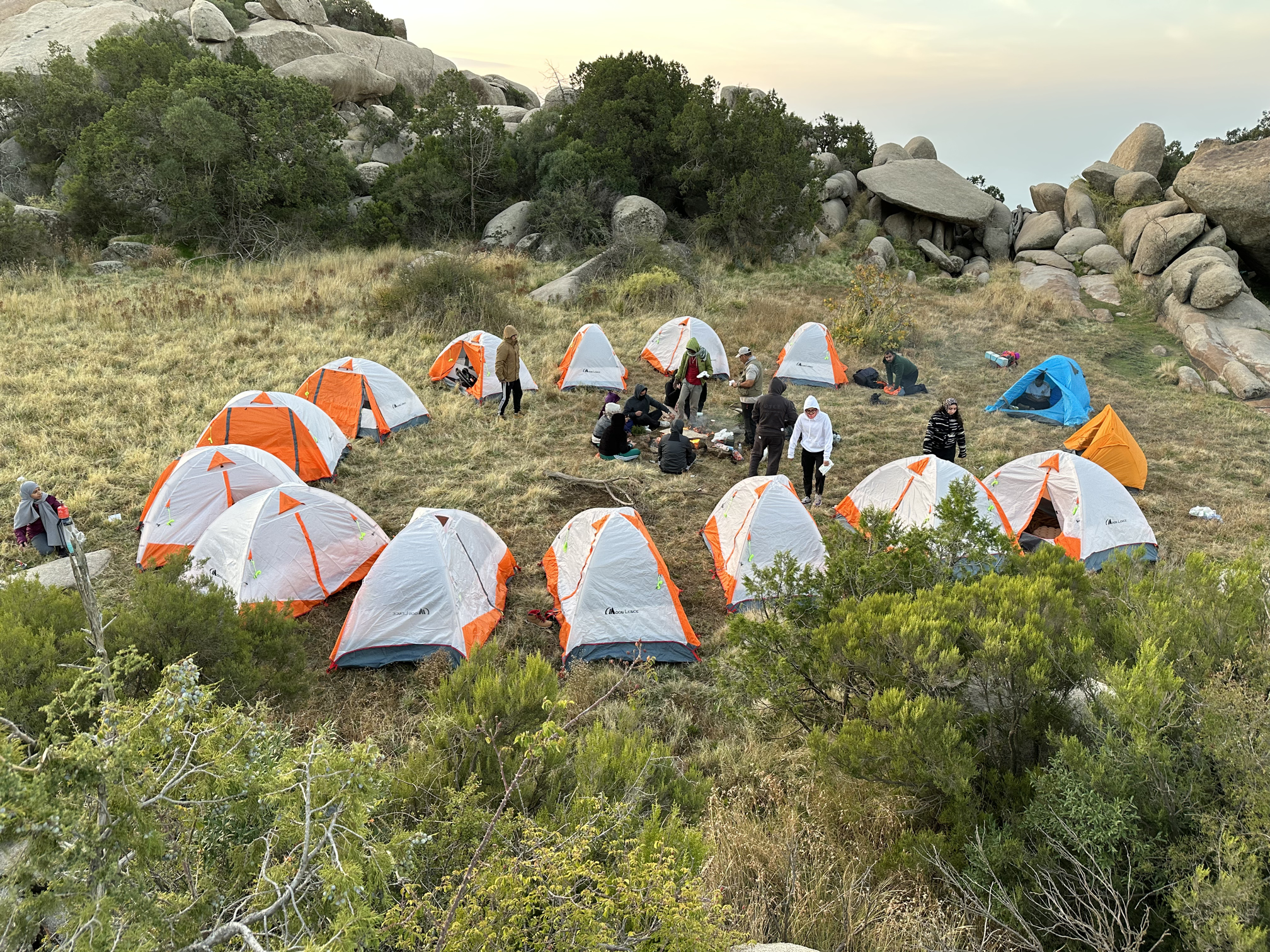
The camp begins on Thursday evening with reception, tent allocation, and rest. The structured training program takes place on Friday and Saturday, with the camp concluding after Dhuhr prayer and lunch on Saturday.
Thursday is reserved for welcoming adventurers, registration, tent allocation, settling into the campsite, and sleeping. No major workshops or physical activities are planned that evening.
Friday arrival is not recommended because the program begins early and each session builds on the previous one. If late arrival is unavoidable, you must coordinate with the team in advance.
Friday begins with Fajr prayer and breakfast, followed by an introduction to the camp and different types of mountain adventures, including hiking, trekking, camping, backpacking, mountaineering, and rock climbing.
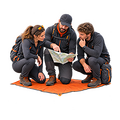
Adventurers then learn the fundamentals of planning and carrying out a hiking route. The planned route is reviewed with the group before personal backpacks are prepared and the hike begins.
During the route, adventurers practice selected skills, exchange information, rotate leadership roles, and learn through direct field experience.
The group returns for Jumu’ah prayer, lunch, and rest. The afternoon includes a workshop on camping, adventure planning, and preparing for outdoor journeys, followed by field practice and scenarios involving injuries and emergency situations.
The evening concludes with dinner and an open discussion with the leaders, where adventurers can ask questions, exchange experiences, and benefit from the leaders’ previous mountain adventures.
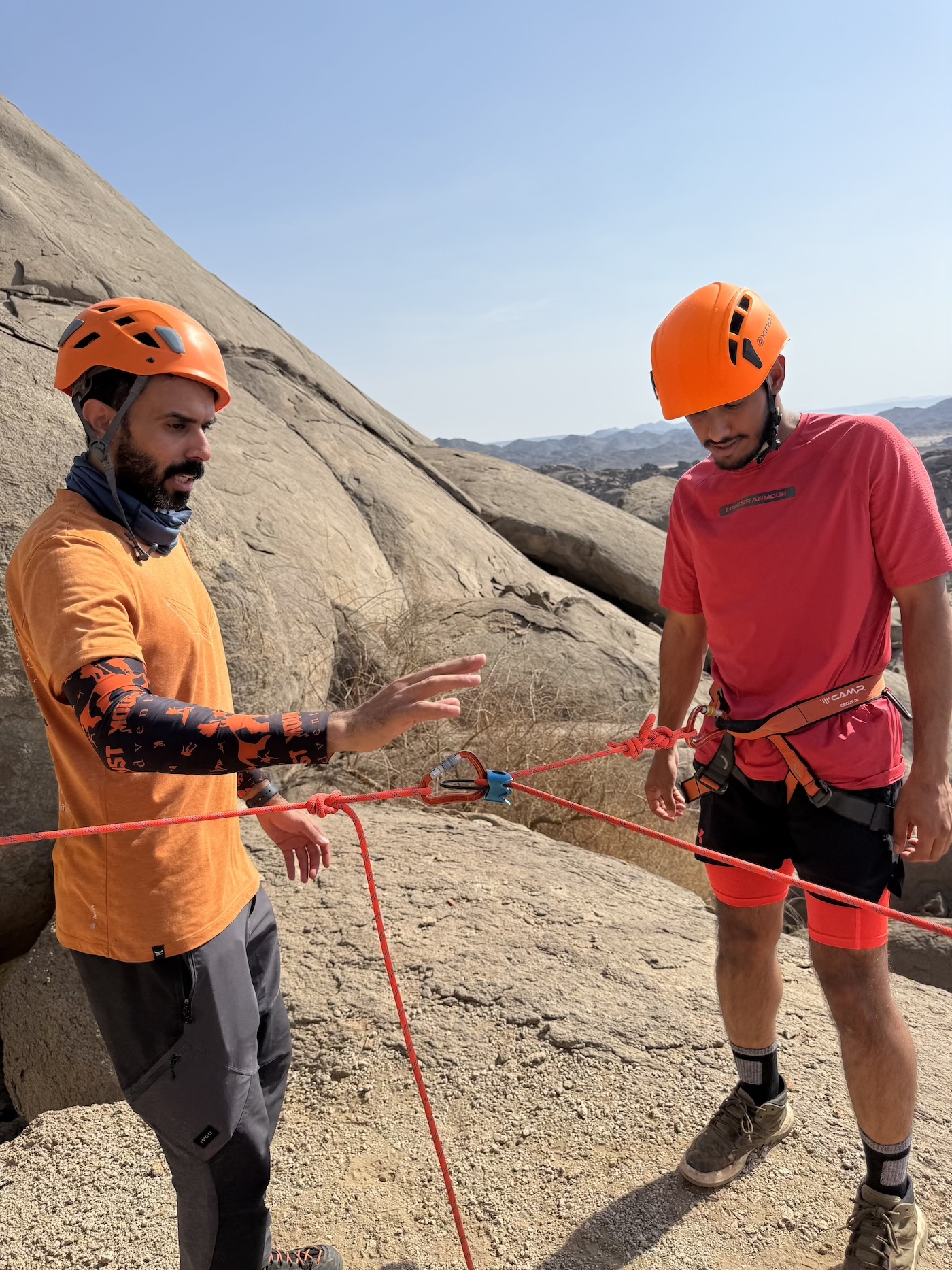
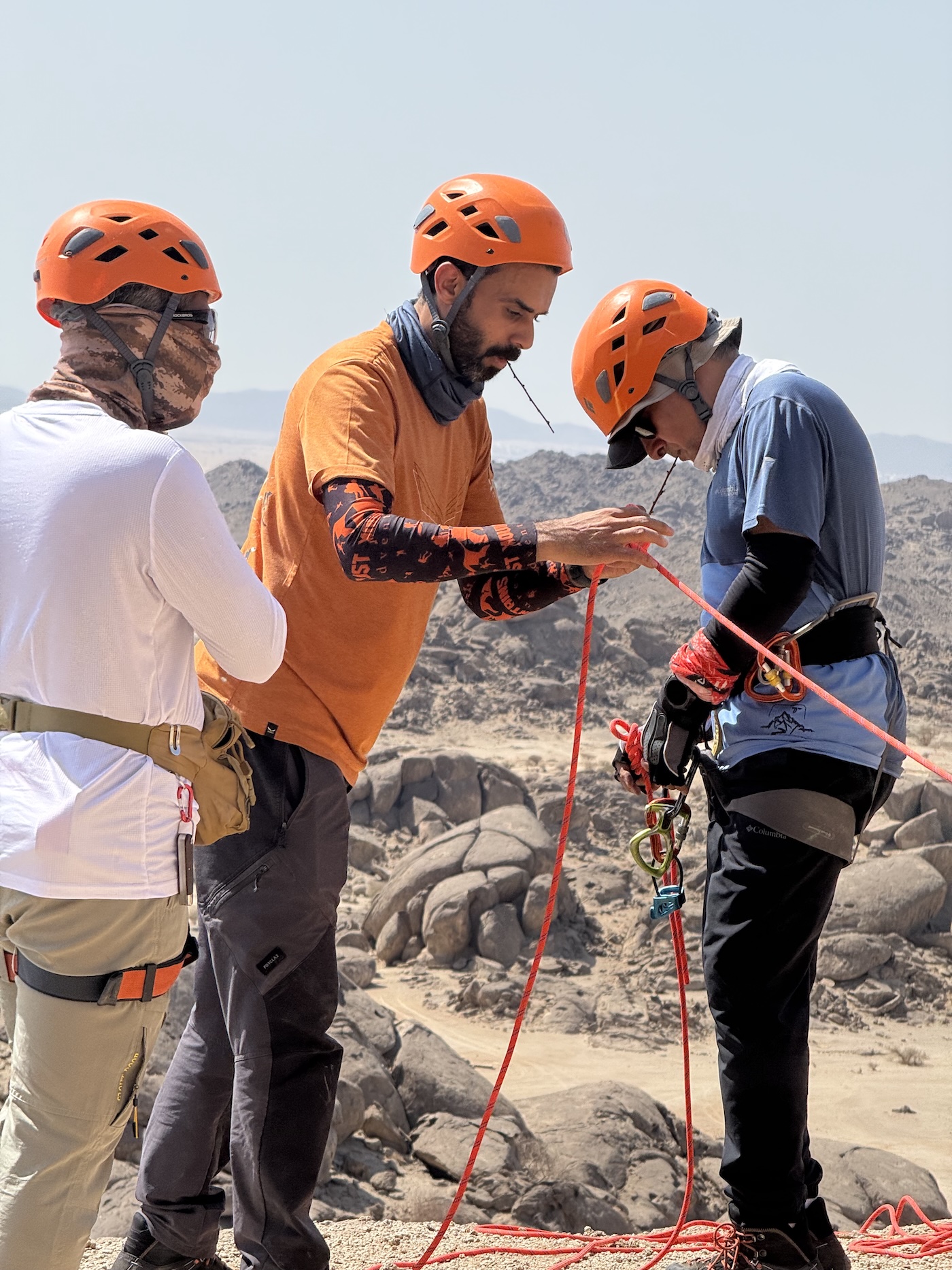
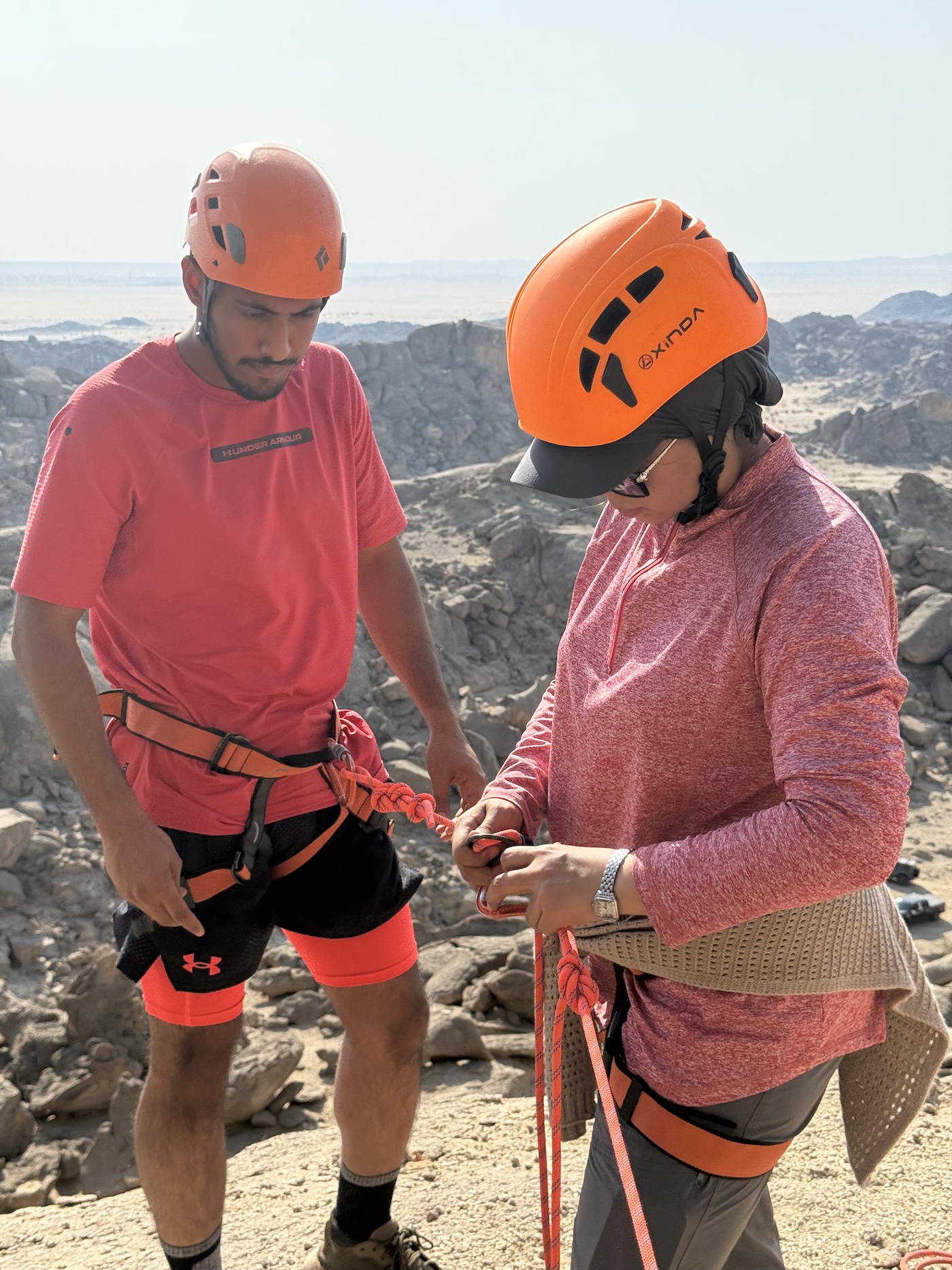
Saturday begins with Fajr prayer and breakfast, followed by an introduction to rope equipment used in mountain activities. This includes helmets, harnesses, ropes, carabiners, ascenders, and descending devices.
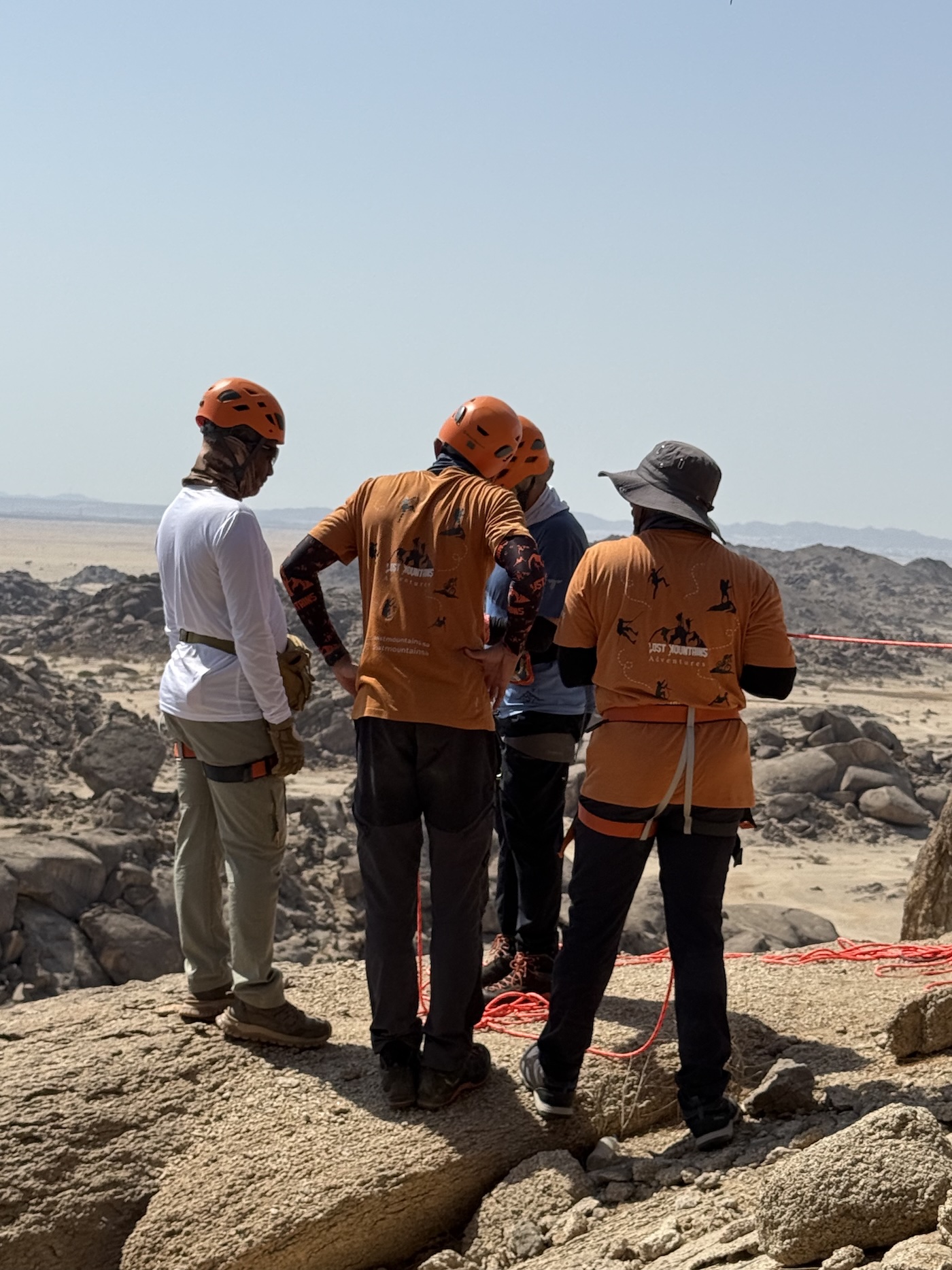
Adventurers learn basic safety procedures, equipment checks, correct body positioning, and communication commands. They then take part in supervised practical training in rope ascent and abseiling, according to their readiness and the conditions of the training site.
The program concludes after Dhuhr prayer and lunch.
Yes. The camp is designed for beginners as well as adventurers who want to develop their outdoor skills. Previous experience with hiking, camping, or ropes is not required, but adventurers must be willing to learn, walk on uneven terrain, and follow safety instructions.
You do not need professional-level fitness. However, you should be healthy enough to spend a full day outdoors, walk for several hours over uneven dirt and rocky terrain, and participate in practical activities.
The hike is a guided training route selected according to the group’s abilities and the conditions of the area. Its distance, duration, or difficulty may be adjusted based on weather, terrain, group readiness, and the leader’s assessment.
Adventurers generally carry a daypack containing water, snacks, suitable clothing layers, and personal essentials. You will not be expected to carry all campsite equipment unless the team informs you otherwise.
No. The camp introduces the basic principles of route planning, reading terrain and maps, and using navigation tools. The objective is to build practical awareness, not to conduct a formal examination.
The program includes practical awareness of injuries and emergencies, such as assessing a situation, communicating with the team, reporting the location, and supporting an evacuation plan. It is not an accredited first-aid certification course.
No. Training begins with an introduction to the equipment, safety principles, equipment checks, communication commands, and correct use before moving to supervised practical activities.
The program may include wearing and checking the helmet and harness, identifying the main rope equipment, using ascent and descent devices, understanding body position, applying communication commands, and practicing rope ascent and abseiling under supervision.
No. The rope session is a supervised introduction and practical experience. It is not a professional certification and does not qualify adventurers to conduct independent rope activities without appropriately trained supervision.
The required technical equipment is provided or approved by the team. Personal technical equipment should not be used until it has been inspected and approved by the activity leaders.
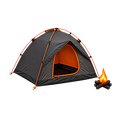
No. Tents are included, and the team will allocate them upon arrival. Check your booking details to confirm whether the arrangement is shared or individual.
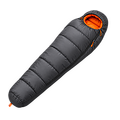
Yes. Bring a sleeping bag suitable for the expected temperature, a camping mattress, and an optional small travel pillow.
Private tents depend on campsite capacity and the selected booking arrangement. A private tent is not guaranteed unless it is clearly stated in your booking or approved in advance.
The team will arrange the campsite to provide appropriate privacy wherever possible. Any specific accommodation or privacy requirements should be communicated before the camp.
Yes. The camp is open to women and men, with suitable arrangements for safety, privacy, accommodation, and participation.
The camp may be suitable for teenagers and some younger adventurers with appropriate physical ability and outdoor readiness. Parents should confirm the minimum age and guardian requirements with the team before booking.
No. Everyone attending or staying at the campsite must be registered. Unregistered companions and overnight visitors are not permitted without prior approval from the organizing team.
The camp may accommodate up to approximately 20 adventurers. During practical activities, the group may be divided into smaller teams to improve safety, learning, and participation.
Meals included in the program, along with selected snacks and drinks, will be provided. Final meal details will be shared with registered adventurers before the camp.
Adventurers must inform the team about food allergies, medical allergies, and dietary requirements as early as possible. The team will try to provide a suitable alternative, but complete protection from cross-contamination cannot be guaranteed in a camp kitchen.
Bring a refillable water container with a total capacity of approximately 2–3 litres. The exact amount may vary according to the weather and the team’s instructions.
Transportation arrangements depend on the booking option and designated meeting point. Full details will be sent before the camp. Do not assume that transportation departs from Jeddah unless this is clearly stated in your booking.
Recommended personal equipment includes:
• Comfortable, previously tested hiking shoes
• Suitable outdoor clothing
• A daypack
• A headlamp and spare batteries
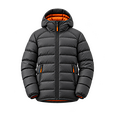
• A warm or waterproof jacket
• Spare clothing
• A sun hat and sunglasses
• Suitable gloves
• A refillable water container
• A sleeping bag and camping mattress
• Comfortable sandals for use at the campsite
• Personal hygiene supplies and medication
Hiking shoes with good grip and ankle or foot protection are strongly recommended. Ordinary soft sports shoes may not provide enough stability or protection on loose, rocky, or uneven ground.
Yes. Mountain temperatures can become significantly cooler at night and before sunrise, even when daytime weather is mild. Bring warm layers and a wind-resistant outer jacket.
The activity leader may modify the route, schedule, training location, or cancel part of the program if conditions become unsafe. The parking or meeting point may also be changed. Safety always takes priority over completing every planned activity.
Yes. You must inform the team about heart or respiratory conditions, diabetes, serious allergies, regular medication, previous surgeries, and injuries affecting the knees, back, ankles, or movement. Medical clearance may be requested in some cases.
The camp includes a first-aid kit, an emergency response plan, and a leader or team member responsible for first-aid support. Adventurers must still bring their personal medications and clearly explain any special medical instructions.
Rope activities include equipment inspections, helmet and harness checks, buddy checks, controlled waiting areas, communication commands, backup safety systems where required, and direct supervision by the rope team.
Participation depends on health, physical readiness, weather, site conditions, and compliance with safety instructions. The team may adapt or restrict an activity if participation could place an adventurer or the group at risk.
A participation certificate may be provided at the end of the camp. It confirms attendance and participation only and is not a professional license or proof of independent competency.
Fires and cooking equipment may only be used in designated areas and according to the team’s instructions. All flames must be fully extinguished, and the surrounding environment must be protected.
The camp follows Leave No Trace principles. Adventurers are expected to collect their waste, keep tents and shared areas clean, use the designated toilet facilities responsibly, and leave the campsite in good condition.
The team may take photographs or videos for documentation and marketing. If you do not want your image to be published, inform the team before activities begin.
Bookings are subject to the cancellation and refund policy published at the time of reservation. The camp may be non-refundable, so review all booking conditions carefully before completing payment.
Contact the team immediately. Late arrival may make access more difficult and may cause you to miss essential briefings or training sessions. Missed sessions may not be repeated.
The camp may be suitable for you if you can walk outdoors for several hours, sleep in a tent, spend a full day in nature, follow safety instructions, learn within a group, and participate in practical activities.
You do not need to be a professional adventurer. You only need suitable physical readiness, a willingness to learn, and respect for the team, the environment, and safety procedures.


 Hiking
 Abseiling
 Camping
 Workahops
 Sleeping Bag
 Snacks
 Winter Jacket
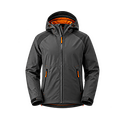 Raincoat
 Head Light
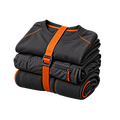 Extra Clothes
 Mattres
 Sunglasses
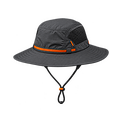 Sunhat
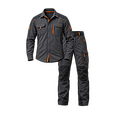 Hiking Clothes
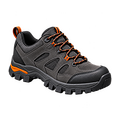 Hiking Shoes
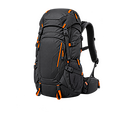 Backpack
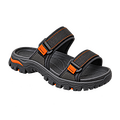 Slipper
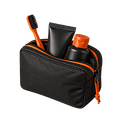 Personal Care